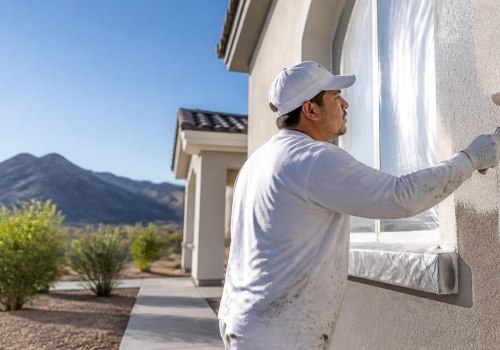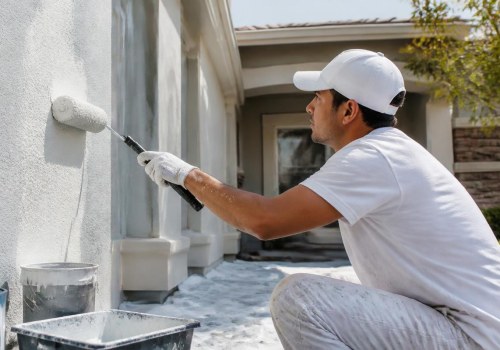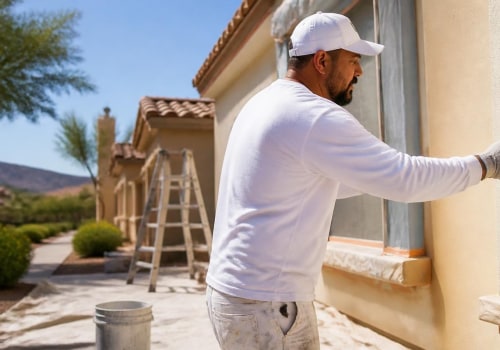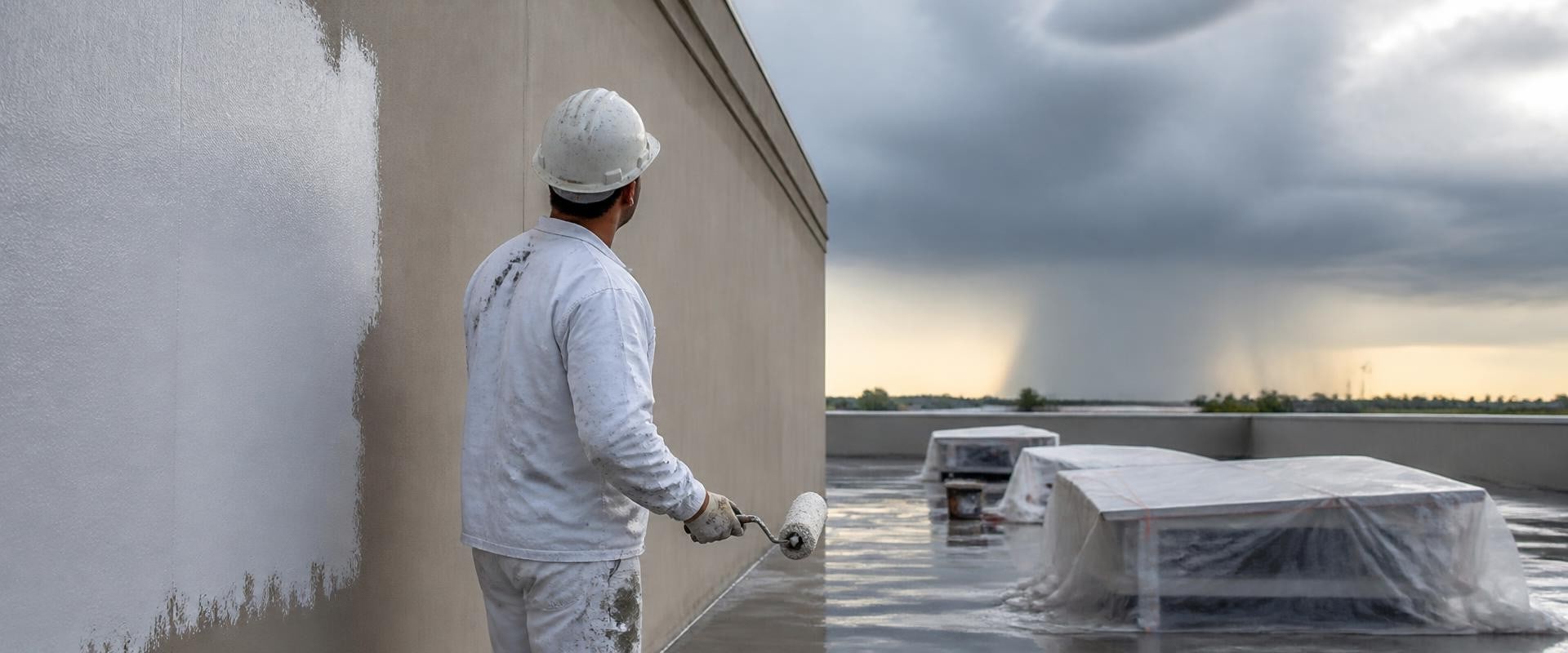
When it comes to Goodyear painting services, understanding the local climate is crucial for ensuring high-quality results. The unique weather patterns in Goodyear can significantly impact the timing and execution of painting projects. From the intense summer heat to unexpected monsoon rains, these factors can pose challenges that require careful planning and adaptability from painting professionals. Goodyear's painting services are designed to cater to both residential and commercial needs, providing a range of solutions that enhance the aesthetic appeal and longevity of properties. However, the effectiveness of these services can be compromised by adverse weather conditions.
For instance, high humidity levels can affect paint adhesion, while extreme temperatures can alter drying times. This makes it essential for contractors to stay informed about local weather forecasts and adjust their schedules accordingly. Moreover, understanding how Goodyear weather impacts painting projects not only helps in avoiding delays but also ensures that the final outcome meets the highest standards. By employing strategies such as using weather-resistant paints or scheduling work during optimal conditions, Goodyear painting services can mitigate potential disruptions. This proactive approach not only saves time but also enhances customer satisfaction, making it a vital aspect of any successful painting project in the region.
The Impact of Weather on Painting Projects
Weather plays a significant role in the success of any painting project, and understanding its effects is essential for both clients and contractors.Various weather conditions can lead to painting delays, impacting timelines and budgets.
Rain
is one of the most obvious weather-related challenges. When it rains, the moisture can prevent paint from adhering properly to surfaces, leading to peeling or bubbling once the paint dries. Additionally, wet conditions can delay the drying process, making it necessary to postpone painting until the weather clears.
Humidity
is another critical factor. High humidity levels can cause paint to dry too slowly, which may result in a tacky finish that attracts dust and debris.
This not only affects the appearance of the paint but can also compromise its durability. Ideally, painting should be done when humidity levels are between 40% and 70% for optimal results.
Temperature
also plays a vital role in painting projects. Most paints have specific temperature ranges for application; for example, temperatures below 50°F (10°C) can hinder proper adhesion and drying. Conversely, extremely high temperatures can cause paint to dry too quickly, leading to cracks and an uneven finish.To mitigate these weather-related challenges, Goodyear painting services often monitor local forecasts closely and plan projects accordingly.
They may schedule work during seasons with more favorable weather conditions or implement protective measures such as tarps or tents to shield surfaces from rain and excessive sun exposure.In conclusion, understanding how weather affects painting projects is crucial for ensuring quality results. By being aware of these factors, clients can better communicate their needs with contractors like Goodyear, leading to smoother project execution and enhanced satisfaction with the final outcome.
Goodyear's Approach to Weather-Related Delays
When it comes to managing Goodyear painting services, the company recognizes that weather-related delays can significantly impact project timelines. To mitigate these challenges, Goodyear employs a proactive approach that emphasizes planning and communication.Advanced Weather Monitoring
- Goodyear utilizes advanced weather monitoring tools to forecast conditions that may affect painting projects. This allows them to anticipate potential delays and adjust schedules accordingly.
- By keeping a close eye on weather patterns, Goodyear can make informed decisions about when to proceed with painting or when to postpone activities for safety and quality assurance.
Flexible Scheduling
- The company maintains a flexible scheduling system that accommodates unexpected weather changes.
This flexibility ensures that projects can be rescheduled quickly without significant disruption.
- Goodyear's project managers work closely with clients to communicate any necessary adjustments, ensuring transparency throughout the process.
Quality Assurance
- Understanding that adverse weather can compromise the quality of paint application, Goodyear prioritizes quality assurance. They have strict policies in place that dictate when it is safe to paint based on temperature, humidity, and precipitation levels.
- This commitment to quality means that even if delays occur, clients can trust that the final results will meet Goodyear's high standards.
Client Communication
- Effective communication is key in handling delays. Goodyear ensures that clients are kept informed about any changes in the project timeline due to weather conditions.
- This open line of communication helps manage expectations and fosters a collaborative relationship between Goodyear and its clients.
Communication with Clients During Delays
Effective communication is crucial for maintaining strong relationships between Goodyear painting services and their clients, especially during weather-related delays.When unforeseen weather conditions arise, it is essential for the team to promptly inform clients about the situation and any potential impacts on the project timeline.
Transparency
is key in these situations. Goodyear painting services prioritize keeping clients updated through various channels, including phone calls, emails, and text messages. This proactive approach not only helps in managing client expectations but also fosters trust and confidence in the services provided.To ensure that clients are well-informed, Goodyear employs a systematic approach:
- Initial Notification: As soon as a weather-related delay is anticipated, clients receive an immediate notification outlining the expected impact on their project.
- Regular Updates: Clients are kept in the loop with regular updates regarding the weather situation and any changes to the project schedule.
- Alternative Solutions: If possible, Goodyear discusses alternative solutions or adjustments to the project plan to minimize disruption.
This dedication to client engagement sets Goodyear apart in the competitive landscape of painting services.
Preventative Measures and Planning
When it comes to Goodyear painting services, effective planning and preventative measures are crucial in mitigating the impact of weather-related delays. By implementing strategic approaches, Goodyear ensures that projects remain on schedule, even when faced with unpredictable weather conditions.Comprehensive Weather Assessments
Before commencing any painting project, Goodyear conducts thorough weather assessments. This involves analyzing historical weather data and forecasts to identify potential challenges. By understanding seasonal patterns, the team can schedule projects during optimal weather windows, reducing the likelihood of interruptions.Flexible Scheduling
Goodyear employs a flexible scheduling system that allows for adjustments based on real-time weather conditions.If rain or extreme temperatures are forecasted, the project timeline can be modified to accommodate these changes. This adaptability helps maintain workflow continuity and minimizes downtime.
Use of Weather-Resistant Materials
To further combat the effects of adverse weather, Goodyear utilizes high-quality, weather-resistant materials in their painting projects. These materials are designed to withstand moisture and temperature fluctuations, ensuring that the paint adheres properly and lasts longer, regardless of environmental conditions.Regular Communication with Clients
Effective communication is key in managing expectations during weather-related delays. Goodyear keeps clients informed about potential impacts on project timelines and discusses alternative solutions.This transparency fosters trust and allows clients to plan accordingly.
Contingency Plans
In addition to proactive measures, Goodyear develops contingency plans for each project. These plans outline specific steps to take in case of unexpected weather events, ensuring that the team is prepared to respond quickly and efficiently. This preparedness not only minimizes delays but also enhances overall project management.By integrating these preventative measures and planning strategies into their operations, Goodyear effectively reduces the risk of weather-related disruptions in their painting projects, ultimately delivering quality results on time.Frequently Asked Questions about Weather-Related Delays in Painting Projects
When it comes to Goodyear painting services, understanding how weather can impact your painting project is crucial. Here are some frequently asked questions regarding weather-related delays:- What types of weather can cause delays in painting projects?
Extreme temperatures, heavy rain, snow, and high winds are the primary weather conditions that can lead to delays.For instance, temperatures below 50°F or above 90°F can affect paint adhesion and drying times.
- How does Goodyear handle unexpected weather delays?
Goodyear painting services prioritize communication with clients. If a delay occurs due to weather, our team will promptly inform you and discuss rescheduling options that work for your timeline. - Will I be charged if my project is delayed due to weather?
No, you will not incur additional charges for delays caused by adverse weather conditions. Our goal is to ensure the best quality finish, which sometimes requires waiting for the right conditions. - Can I still prepare my surfaces during inclement weather?
While we recommend waiting for optimal conditions for painting, surface preparation can often be done in advance. Our team will advise you on what steps can be taken safely. - How does Goodyear ensure quality despite weather-related delays?
We utilize high-quality materials designed to withstand various weather conditions.Additionally, our experienced painters are trained to adapt their techniques based on the environment to maintain the integrity of the project.
Conclusion: Ensuring Quality Despite Weather Challenges
In conclusion, Goodyear painting services exemplify how to effectively manage weather-related delays while ensuring the highest quality standards in their projects. By implementing a proactive approach, Goodyear not only minimizes the impact of adverse weather conditions but also maintains customer satisfaction and project integrity.One of the key strategies employed by Goodyear is their meticulous planning process. This includes:- Weather Monitoring: Goodyear utilizes advanced weather forecasting tools to anticipate potential disruptions.
This allows them to adjust schedules and allocate resources efficiently.
- Flexible Scheduling: Understanding that weather can be unpredictable, Goodyear offers flexible scheduling options. This ensures that projects can be rescheduled without significant delays, keeping clients informed throughout the process.
- Quality Materials: The use of high-quality, weather-resistant materials helps mitigate the effects of rain or extreme temperatures on the painting process. This commitment to quality ensures that even if delays occur, the final result remains durable and aesthetically pleasing.
This adaptability is crucial in maintaining project timelines without compromising on the end product.Ultimately, Goodyear's dedication to excellence shines through even in challenging weather situations. Their comprehensive approach not only addresses potential delays but also reinforces their reputation as a leader in painting services. Clients can trust that their projects will be handled with care and precision, regardless of the weather challenges that may arise.